
Basement Flooding in Converse, IN
Contaminated drain backup or clean seepage, Converse Water Restoration classifies the water in your Converse basement before any material comes out.
Converse Water Restoration provides Basement Flooding in Converse, IN. 24/7 emergency response with IICRC certified crews, and we work with your insurance carrier on approved claims. Call (812) 515-1567 for immediate dispatch.
- Service: Basement Flooding for Converse homeowners
- Service area: Converse, IN and surrounding areas
- Response time: 24/7 answering with priority emergency dispatch across Converse
- Licensed and insured (License #RC21100059)
- Serving Converse, IN since 2018
Basement Flooding Cleanup in Converse
We'll pump out and dry a flooded basement anywhere in Converse, day or night.
Basements Here
Full basements are common in Converse.
Where the Water Comes From
Homes near Little Pipe Creek and Pipe Creek face added flood risk after heavy rain. Many basements here depend on a sump pump to stay dry, so a pump that quits during a storm can flood the space fast.
Our crews work all over Converse, from SR 18 / Marion Street East Side to the streets near Converse-Jackson Township Public Library and Converse Elementary School. We also clean up flooded basements in Peru, Swayzee, Somerset and Amboy.
Expert Basement Flooding for Converse Homeowners
A sump pump can run all night and still lose if the discharge line froze or clogged and the pumped water has nowhere to go. It backs up in the line or drains beside the foundation and soaks toward your Converse basement again. Converse Water Restoration removes the water already inside and documents the line's condition for the plumber who repairs it.
A finished basement in Converse has more to lose, and Converse Water Restoration works to keep as much of it as the readings allow. Drywall that wicked water gets cut at a measured height, and walls that only got wet at the base can often dry through small holes behind the baseboard. You see the readings for every wall before anything comes out.
Converse Water Restoration sends a technician back every day during the drying phase. Readings get taken at the same marked locations, the grains per pound in the room get compared against the day before, equipment gets repositioned as the wet zone shrinks, and photos get added whenever the scope changes. You'll see the numbers at each visit, so the end of the drying phase lands on a date the readings support.
Start with wide photos from the bottom of the stairs, then take close ups of the sump pit and the high water line with a tape measure held against it. Phone photos carry a date and time, which helps an adjuster place the loss. Converse Water Restoration photographs your Converse basement too, and yours cover the hours before the crew arrived.
Pick up the phone while the water's still there, because the photos a carrier wants most are the ones taken before cleanup starts. Converse Water Restoration dispatches to Converse within two hours, 24 hours a day, and the crew documents the loss while it works through it. The inspection costs you nothing and the file belongs to you.
Signs You Need Basement Flooding Cleanup
If you notice any of these in your Converse home, schedule a free inspection before the issue worsens.
Storage tubs in your Converse basement sitting in standing water, with papers and photos stuck together
Mortar joints in the foundation wall that feel damp or crumble when you press a thumb into them
Battery backup alarm sounding on the sump pump, or a backup battery that ran flat in an outage
The sump pump in your Converse home hums but no water moves up the discharge pipe
Baseboard swollen and pulling off the wall, with paint lifting in the bottom few inches of drywall
Water on the Converse basement floor in early spring while the snow melts, even with no rain
Water standing in the window well, up above the bottom of the window frame
Power went out in the storm and the sump pit in your Converse basement filled
A musty, earthy smell that hits you as soon as you open the door at the top of the stairs
Horizontal stain line on the walls a few inches above the floor, left by receding water
How Converse Water Restoration Handles Basement Flooding
We follow these steps in order on every Converse job.
Moisture Mapping
Thermal imaging finds the temperature differences that mark wet material and penetrating meters confirm it with numbers. Readings get taken on drywall, framing, the bottom plate, the subfloor and the slab, and the wet area gets marked and measured room by room.
Scope Review
The crew walks the moisture map of your Converse basement with you and explains what can dry in place and what has to come out. You approve the scope in writing before any drywall is cut, and any change comes with new photos and readings.
Upstairs Moisture Check
The crew closes off the stairway and reads the first floor walls above the basement of your Converse home, along with the underside of the floor. Those readings show whether humidity moved up and keep the drying confined to the basement.
Records Handoff
You receive the photo report, the moisture map, the daily logs and the equipment record for your Converse basement in one file. The crew goes through it with you and answers questions about any line, so you can use it with your insurance company.
Repair Planning
With the clearance readings in hand, the crew goes through what was removed and what needs to go back. You can ask about materials that handle moisture better, and the repair scope is yours to approve before any work is scheduled.
Basement Flooding in Converse
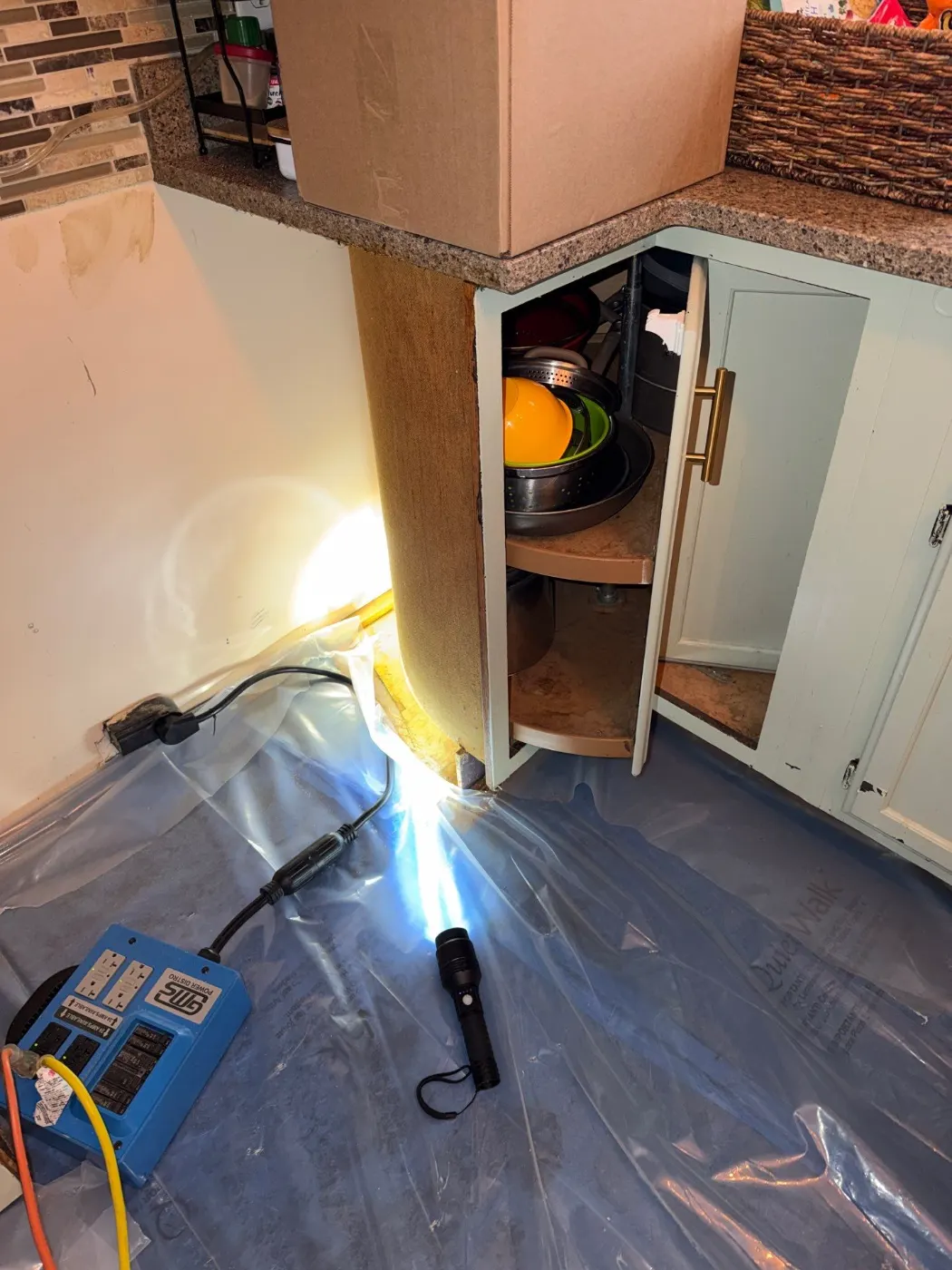
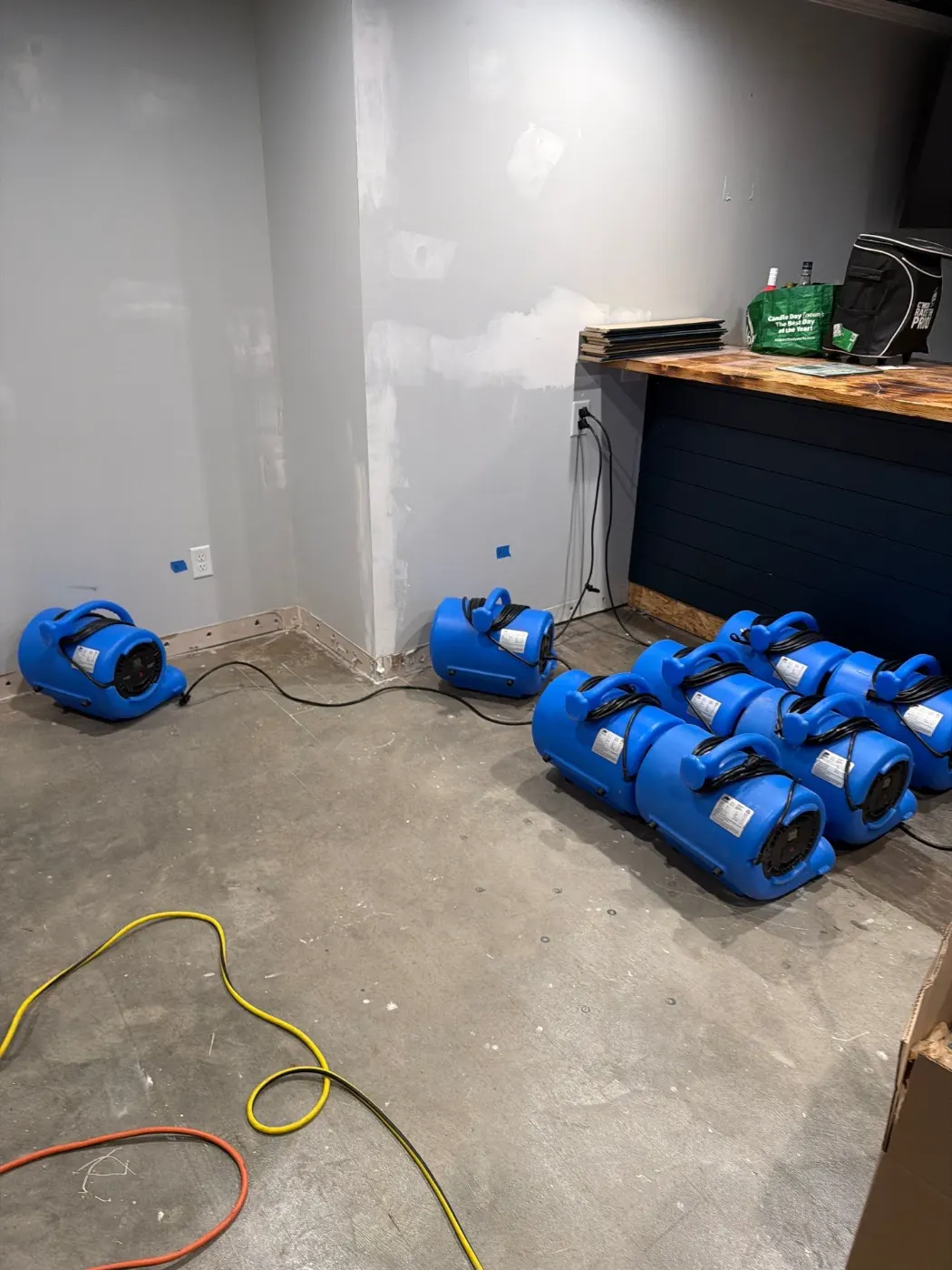
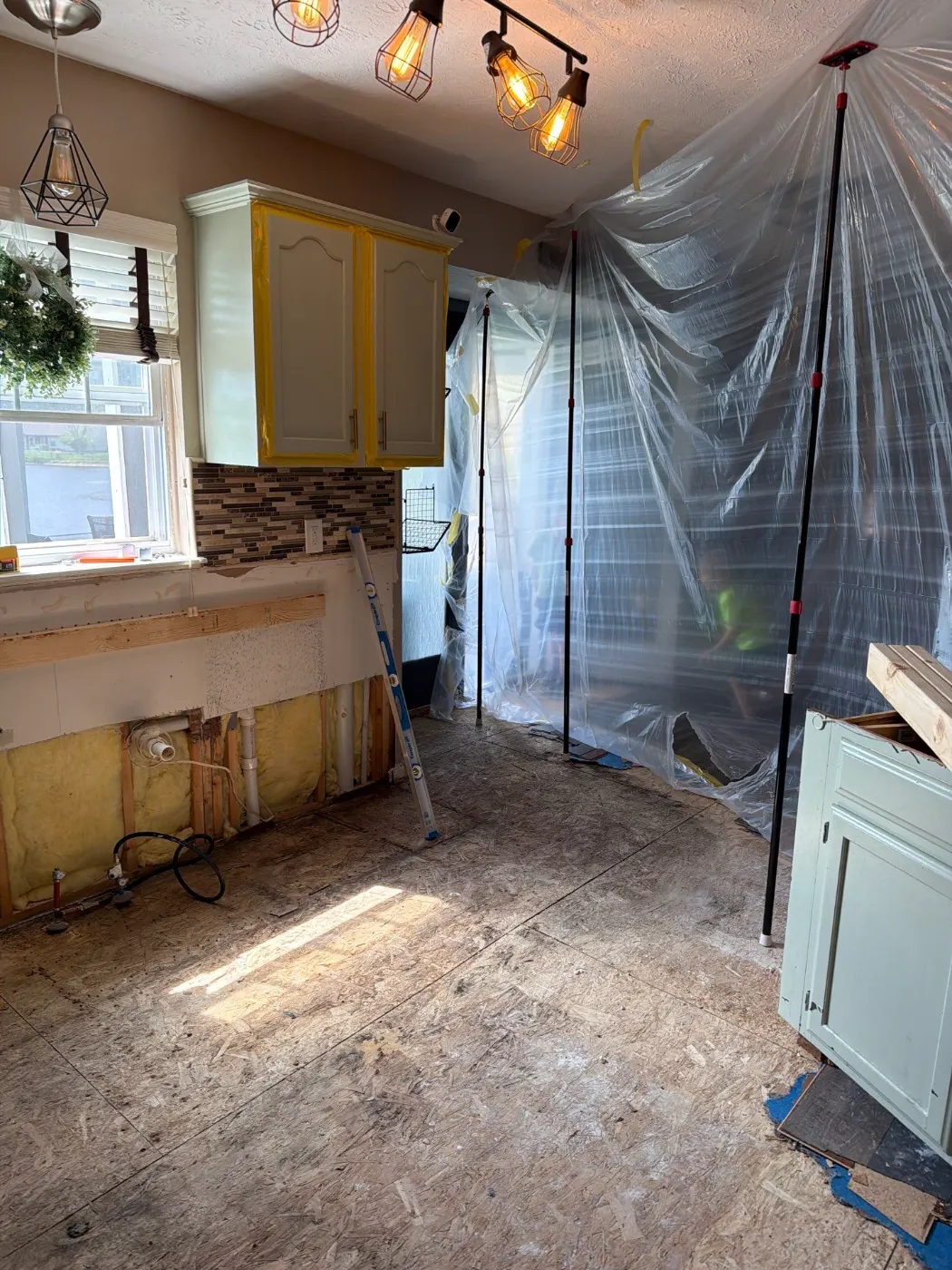
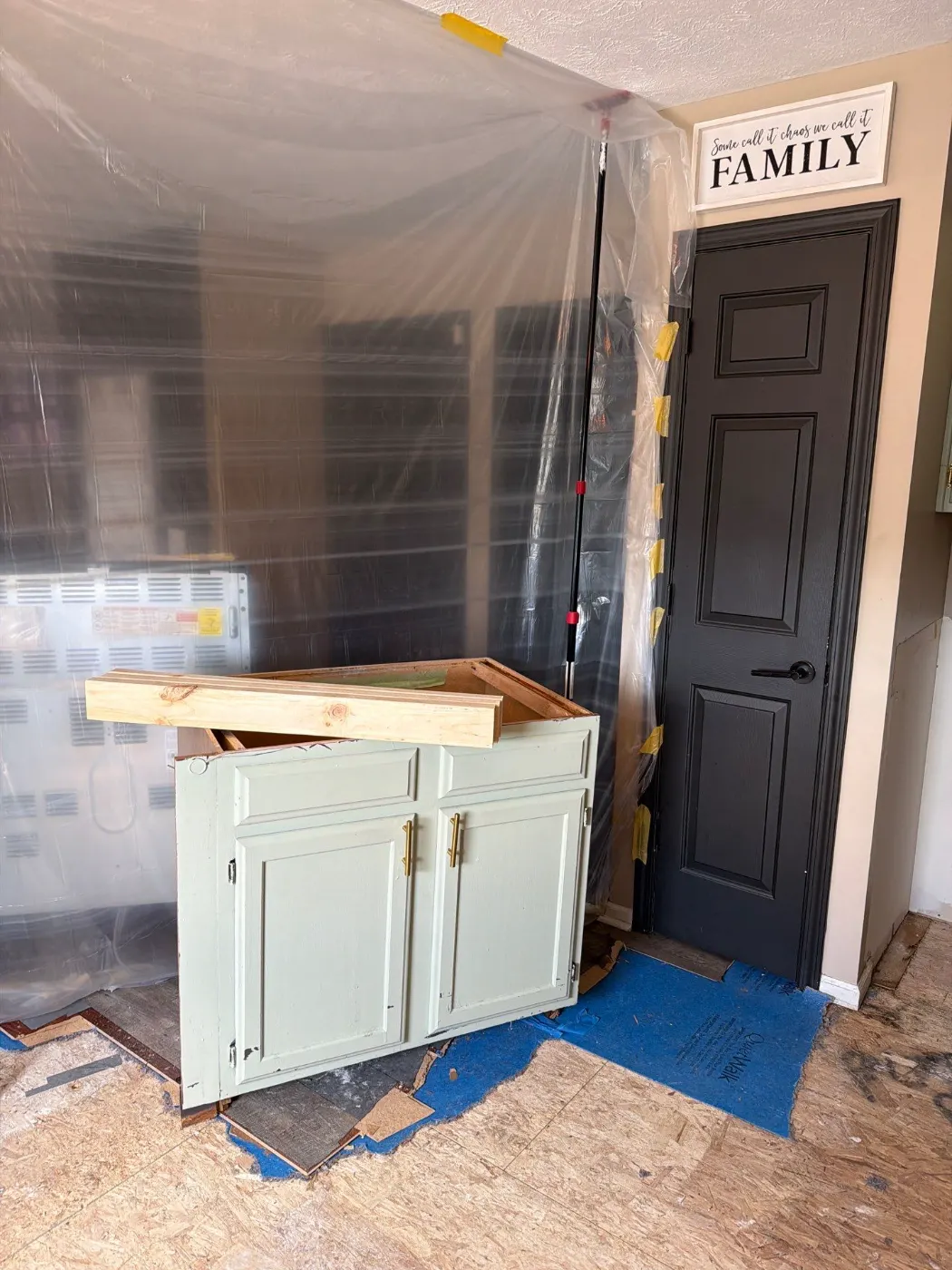
Photographs from real basement flooding jobs completed by our crew in Converse and surrounding areas.
Basement Flooding FAQ
Questions Converse homeowners ask us about basement flooding cleanup.
Guidance and Standards for Basement Flooding
- EPA advises drying water damaged areas and items within 24 to 48 hours to prevent mold growth. EPA: A Brief Guide to Mold, Moisture and Your Home
- Ready.gov notes that homeowners insurance policies don’t cover flooding, so check what your own policy says. Ready.gov: Floods
Converse Neighborhoods We Serve
We take basement flooding calls in every part of Converse. Pick your neighborhood for local details.
Other Restoration Services in Converse
Converse Water Restoration handles the full scope of restoration work. Explore our other services below.
Water Damage Restoration in Converse
24/7 emergency response. IICRC certified water restoration from extraction to full dry out.
Learn more →Sewage Cleanup in Converse
Category 3 biohazard cleanup. Full containment, decontamination, structural restoration.
Learn more →Storm Damage in Converse
Storm related water emergencies. Tarping, extraction, drying, and full restoration.
Learn more →Request Basement Flooding Cleanup
Reach Us Directly
Our team is available 24/7 for emergencies and ready to schedule inspections during business hours.
Need Immediate Help?
For active water or mold emergencies, call us directly. We are available 24/7.