
Commercial Mold Remediation in Converse, IN
Occupied buildings in Converse handled with sealed containment and HEPA filtered negative pressure, done to the IICRC S520.
Commercial Mold Remediation in Converse deserves a careful start: Converse Water Restoration schedules the assessment, maps the problem, and puts the plan in writing before anything else. Call (812) 515-1567 to schedule.
- Service: Commercial Mold Remediation for Converse homeowners
- Service area: Converse, IN and surrounding areas
- Response time: Scheduled evaluation at your convenience, typically same week
- Licensed and insured (License #RC21100059)
- Serving Converse, IN since 2018
Commercial Mold Removal in Converse
We handle commercial mold removal throughout Converse, and we'll find the moisture source before the scope is written.
Moisture Sources Here
Buildings near Little Pipe Creek and Pipe Creek can take on floodwater, and anything left wet afterward can grow mold. We'll go over the air handling and any past leaks on the first walkthrough with whoever runs the building.
We take commercial mold jobs anywhere in Converse, including the streets around Converse-Jackson Township Public Library and Converse Elementary School. We also handle commercial mold work in Marion, Peru, Swayzee and Somerset.
Commercial Mold Remediation for Converse Businesses
Lower level storage rooms take the first hit when spring rain and snowmelt push groundwater against the foundation. Records boxes and shelving sit against walls that stay damp for days, and the paper facing on drywall holds that moisture. Converse Water Restoration inspects below grade commercial space in Converse after those events and maps how far the dampness has traveled.
Findings mean little if nobody can find them again. Converse Water Restoration marks the floor plan of your Converse building with a grid and ties each moisture reading and photograph to a grid location. An architect or a hygienist can open the report a year later and walk straight to the spot in question.
Scope approval happens in writing before demolition. The Converse Water Restoration team walks the building owner or property manager through the moisture findings, the proposed containment boundary, the assemblies coming out, the assemblies being cleaned in place, and the source correction that has to happen for the work to hold. Nothing gets opened past the approved scope without a conversation, and if the crew finds more growth than the survey predicted, that triggers a revised scope.
The date a tenant first complained often matters as much as the date work began. Keep the emails and work orders that show who reported what, and when, because notice provisions in many commercial policies run from the date of discovery. Converse Water Restoration references that log in the project timeline for your Converse building, so the dates in the file agree with the dates in your records.
Call Converse Water Restoration any time, day or night, if something in your Converse building looks or smells wrong. The conversation sorts out what you're seeing and when the inspection should happen. Scheduling follows your building's access rules and the people who work there.
Signs You Need Commercial Mold Remediation
If you notice any of these in your Converse building, schedule a free inspection before the issue worsens.
Tenant improvement work that stops because a contractor found dark staining inside a wall
Cove base pulling away from the wall with dark residue on the back of it
A musty, earthy odor in one suite that gets noticeably stronger when the air handler cycles on
Moisture meter readings that run high in a wall that looks and feels dry from the room side
Condensate dripping from an air handler or a chilled water line onto the mechanical closet floor
Growth coming back in the same spot within a few months of somebody cleaning it off
A stain running down an interior column or chase wall where a roof leader passes through
White crusting or powdery residue on a below grade wall that returns after it's wiped off
Staining that reappears in the same ceiling location after the roof was already repaired
Swollen base trim or gypsum board that's gone soft at the floor line in a restroom chase
How Converse Water Restoration Handles Commercial Mold Remediation
We follow these steps in order on every Converse job.
Affected Material Removal
Porous material with growth in it comes out: saturated batt insulation, affected gypsum board and ceiling tile. Crews mist material before cutting, bag it inside containment, wipe the bags down, and carry them out through the decontamination entry on an agreed route.
Removal Sign-Off Inspection
After removal and before cleaning, the crew lead walks every opened cavity and checks the cut lines against the survey. Photographs and readings document the condition of each cavity at sign off.
Structural Drying
Dehumidifiers and air movers go inside the containment to dry remaining framing and substrate. A technician logs moisture content daily at marked locations. Equipment stays until the readings match unaffected areas of the same building, so nothing gets closed over damp material.
Independent Verification
Where a building owner, carrier or tenant agreement calls for it, an outside industrial hygienist performs post remediation verification with a visual inspection and whatever sampling their protocol specifies. Containment and equipment stay in place until that party signs off on the results.
Final Walkthrough and Records
Building management and the team walk the finished space together, and the project file is handed over. That file holds the scope, the daily logs, the disposal records and any verification reports.
Commercial Mold Remediation in Converse
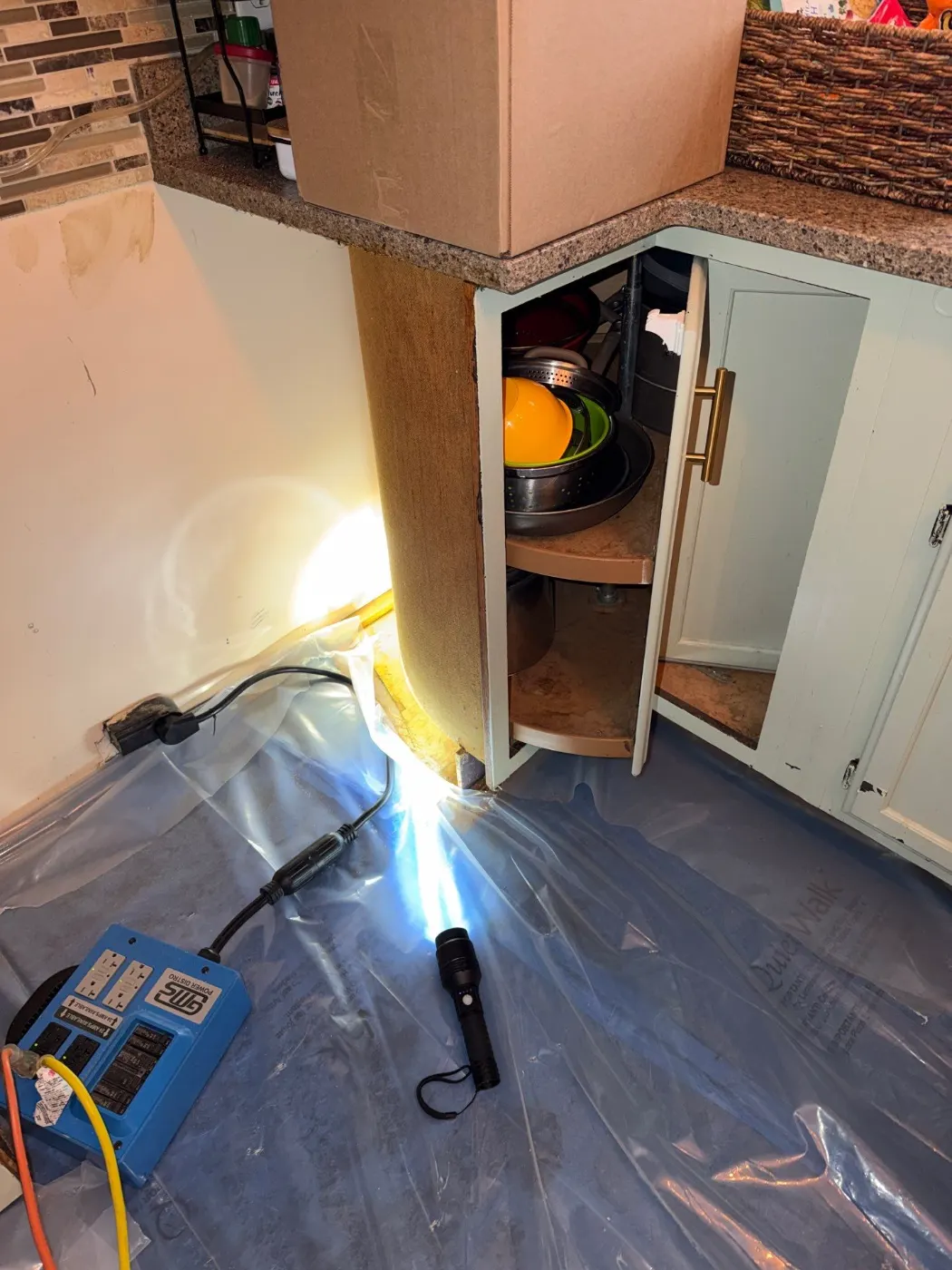
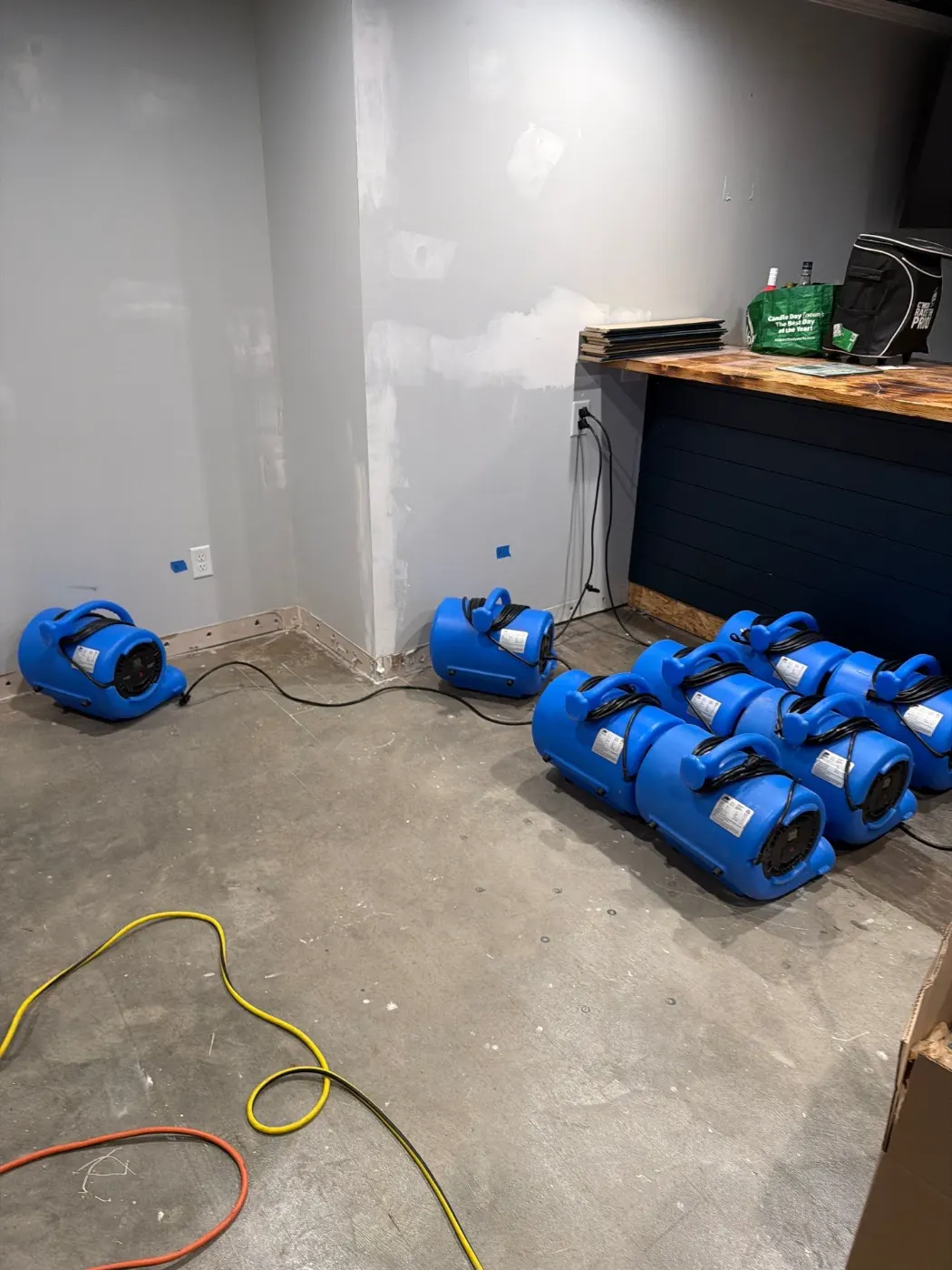
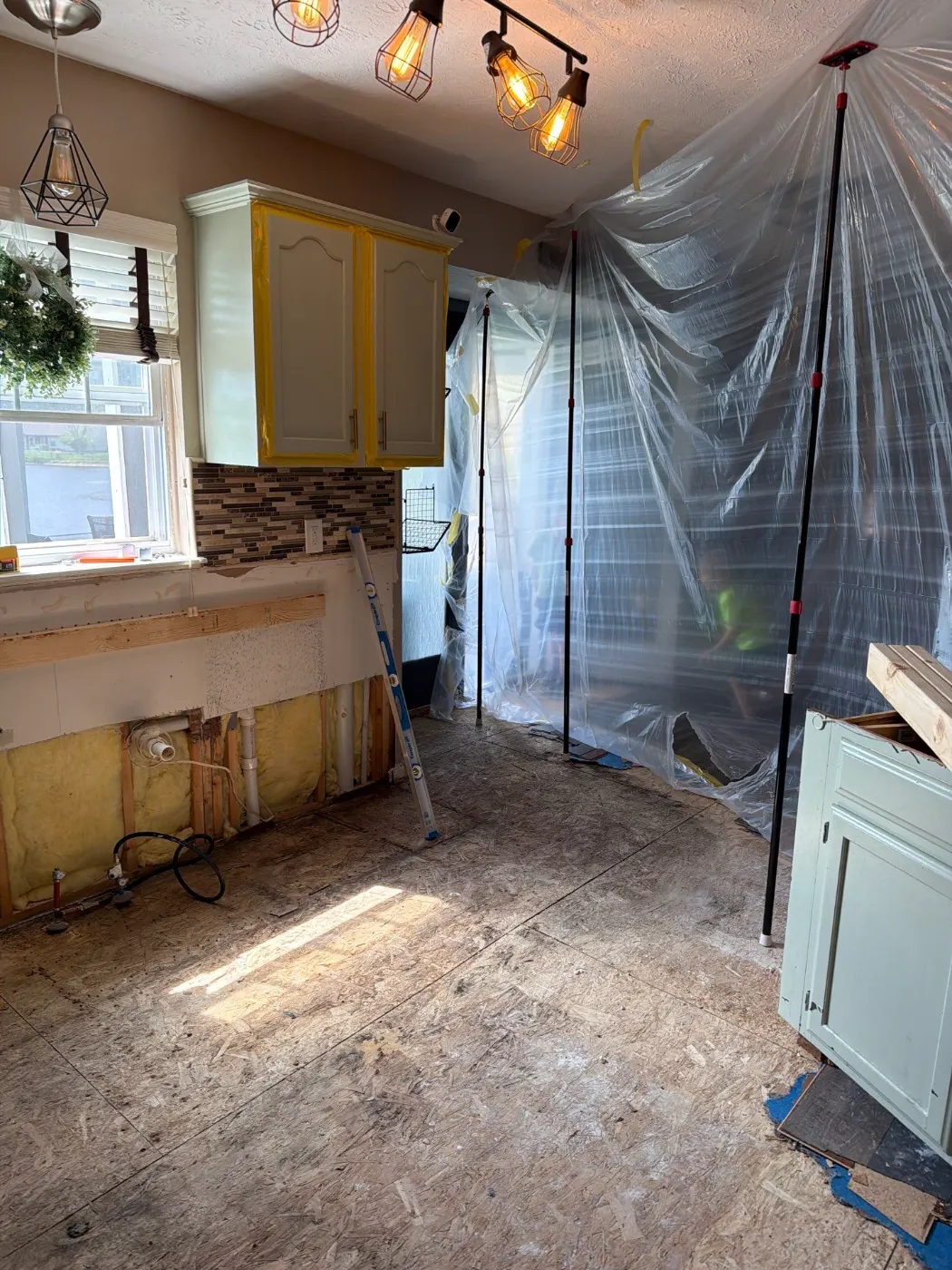
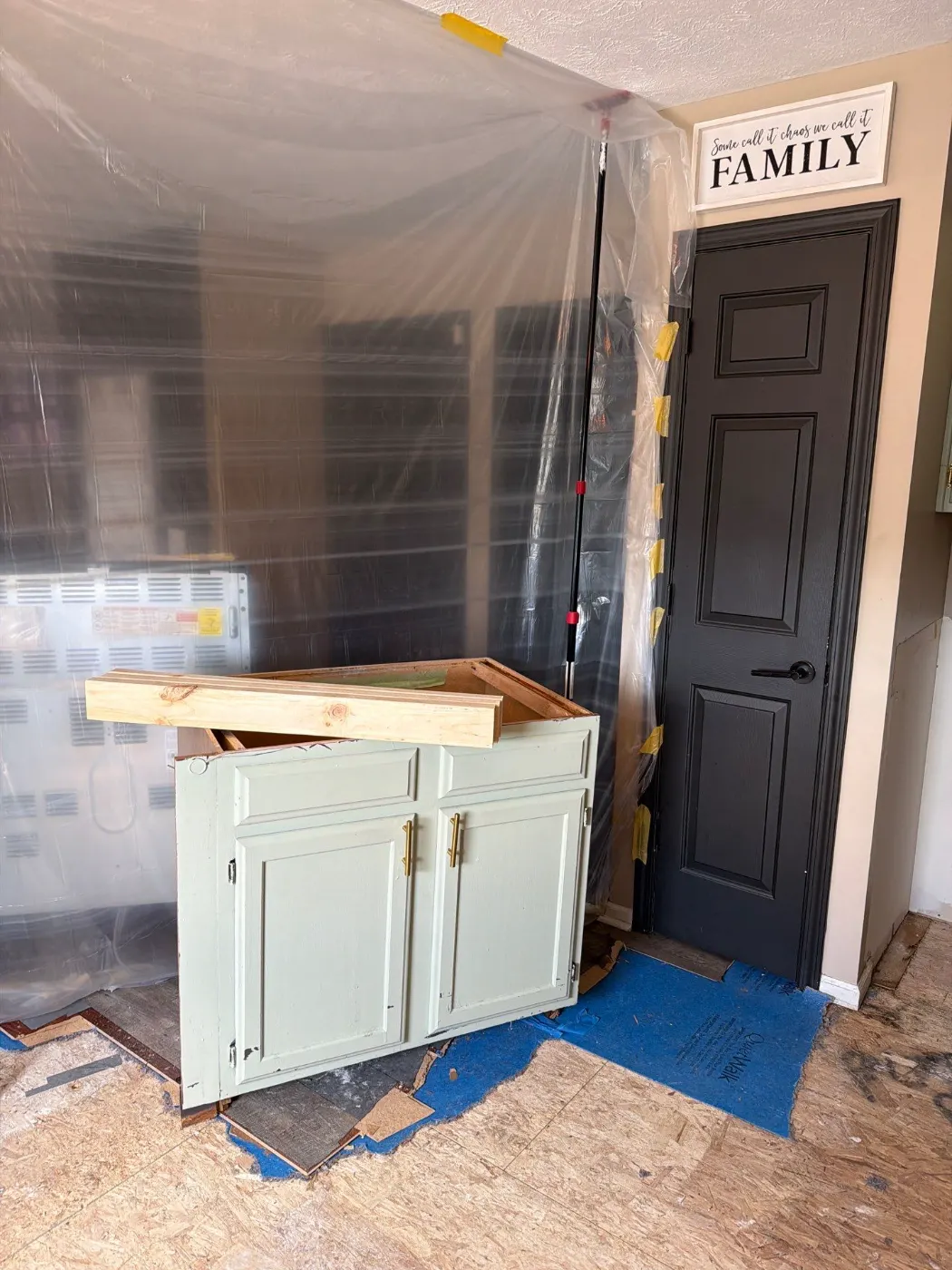
Photographs from real commercial mold remediation jobs completed by our crew in Converse and surrounding areas.
Commercial Mold Remediation FAQ
Questions Converse property managers ask us about commercial mold remediation.
Guidance and Standards for Commercial Mold Remediation
- The ANSI/IICRC S520 is the published standard for professional mold remediation. The current edition is the Fourth Edition, 2024. IICRC S520 Standard
- EPA’s mold guide says the key to mold control is moisture control. EPA: A Brief Guide to Mold, Moisture and Your Home
Converse Neighborhoods We Serve
We take commercial mold remediation calls in every part of Converse. Pick your neighborhood for local details.
Other Restoration Services in Converse
Converse Water Restoration handles the full scope of restoration work. Explore our other services below.
Water Damage Restoration in Converse
24/7 emergency response. IICRC certified water restoration from extraction to full dry out.
Learn more →Basement Flooding in Converse
Basement water emergencies handled fast. Extraction, drying, mold prevention.
Learn more →Sewage Cleanup in Converse
Category 3 biohazard cleanup. Full containment, decontamination, structural restoration.
Learn more →Request Commercial Mold Remediation
Reach Us Directly
Our team is available 24/7 for emergencies and ready to schedule inspections during business hours.
Need Immediate Help?
For active water or mold emergencies, call us directly. We are available 24/7.