
Commercial Storm Damage in Converse, IN
Wind driven rain through failed roof drains or open membrane seams gets dried out at Converse commercial properties.
Converse Water Restoration provides Commercial Storm Damage in Converse, IN. 24/7 emergency response with IICRC certified crews, and we work with your insurance carrier on approved claims. Call (812) 515-1567 for immediate dispatch.
- Service: Commercial Storm Damage for Converse homeowners
- Service area: Converse, IN and surrounding areas
- Response time: Emergency water calls in Converse get crews rolling, not callbacks
- Licensed and insured (License #RC21100059)
- Serving Converse, IN since 2018
Commercial Storm Damage Cleanup in Converse
We handle commercial storm damage cleanup across Converse, and we'll work around the parts of the building that need to stay open.
Storms Here
Spring and summer are severe thunderstorm season here. NWS Indianapolis posts summaries of past storms, which helps when your carrier asks for a date.
We respond to storm calls from businesses anywhere in Converse, including those around Converse Elementary School and Oak Hill High School. We also handle commercial storm damage in Galveston, Marion, Peru and Swayzee.
Commercial Storm Damage for Converse Businesses
When storm water gets past the curb of a rooftop unit, it can travel along the supply duct before it drips anywhere. The insulation lining the duct can soak it up, and diffusers a long way from the unit start to drip. Converse Water Restoration traces the path in your Converse building with a moisture meter and dries the ceiling spaces the duct crosses.
Property managers get a daily note from the Converse Water Restoration team with yesterday's readings, what moved and what's planned, with photos attached. If a reading goes the wrong way, the note says so and says what's changing. The person who has to brief ownership on a loss in Converse gets the numbers before that conversation starts.
Mapping on Converse Water Restoration jobs runs off a floor plan. Thermal imaging finds the temperature differences, penetrating and nonpenetrating meters confirm them, and every reading gets keyed to a room or a column line. That's what shows the water traveled four bays past the visible stain, and it's what keeps the scope off rooms that were already dry when the crew arrived.
Cutting into a wall or lifting a ceiling in your Converse building sometimes shows damage the first walk didn't, and carriers expect new findings to be reported before they're repaired. The crew photographs each discovery and flags it in the daily note, so your adjuster can see it in place. The supplement is a conversation for you and your broker to have with the carrier.
Have the floor plan and a tenant contact list within reach when you call Converse Water Restoration about your Converse property. The crew marks the wet areas on the plan, and the contact list lets the team line up access to each suite without pulling you away from the building.
Signs You Need Commercial Storm Damage Restoration
If you notice any of these in your Converse building, schedule a free inspection before the issue worsens.
Silt or sediment left as a film on the receiving area floor once the water drains off
Leak sensors or pit alarms going off in a mechanical room or IT closet during a storm
Carpet tile that squishes underfoot along the glass line of a storefront or window wall
Stored records or fixtures with wet edges or water stains along the bottom
Rust on the metal stud track at the bottom of a wall cavity once an opening is cut
Roof drain piping dripping at a joint inside a chase or above the ceiling
Cardboard cartons on the bottom pallet positions that have darkened and gone soft
Standing water in a rooftop unit's drain pan, or condensate running down the duct below it
Water lines on the lower walls of a dock office or receiving area
Light fixtures out in one zone of the ceiling grid after a storm, with the breaker holding
How Converse Water Restoration Handles Commercial Storm Damage
We follow these steps in order on every Converse job.
Two Hour Dispatch
A crew dispatches to your Converse commercial property within two hours of the call with extraction units, dry in materials, thermal imaging and moisture meters. Work starts on arrival while the team confirms building access, after hours contacts, and which spaces have to stay open.
Water Path Check
The crew traces the water from the roof breach down through the ceiling to the floors below and photographs the path. Water that backed up out of a drain tied into a sanitary line gets handled as sewage, and that call drives the protocol.
Cavity Inspection Openings
Where meters or thermal imaging point to hidden water, the crew opens a small inspection hole or lifts a tile. What the probe finds inside decides how much larger the cut needs to be.
Structural Drying Setup
Dehumidification is sized to affected cubic footage, desiccant for open floor plates and refrigerant units for enclosed suites. Air movers go in at calculated angles. The crew checks available amperage and brings distribution or generator power when building panels can't carry the load.
Ceiling and Finish Rebuild
Grid gets releveled, new lay in tile goes in, and insulation is replaced to the assembly's original value. Painted surfaces get primed and finished to a line that reads as original, and flooring goes back once slab readings allow it.
Commercial Storm Damage in Converse
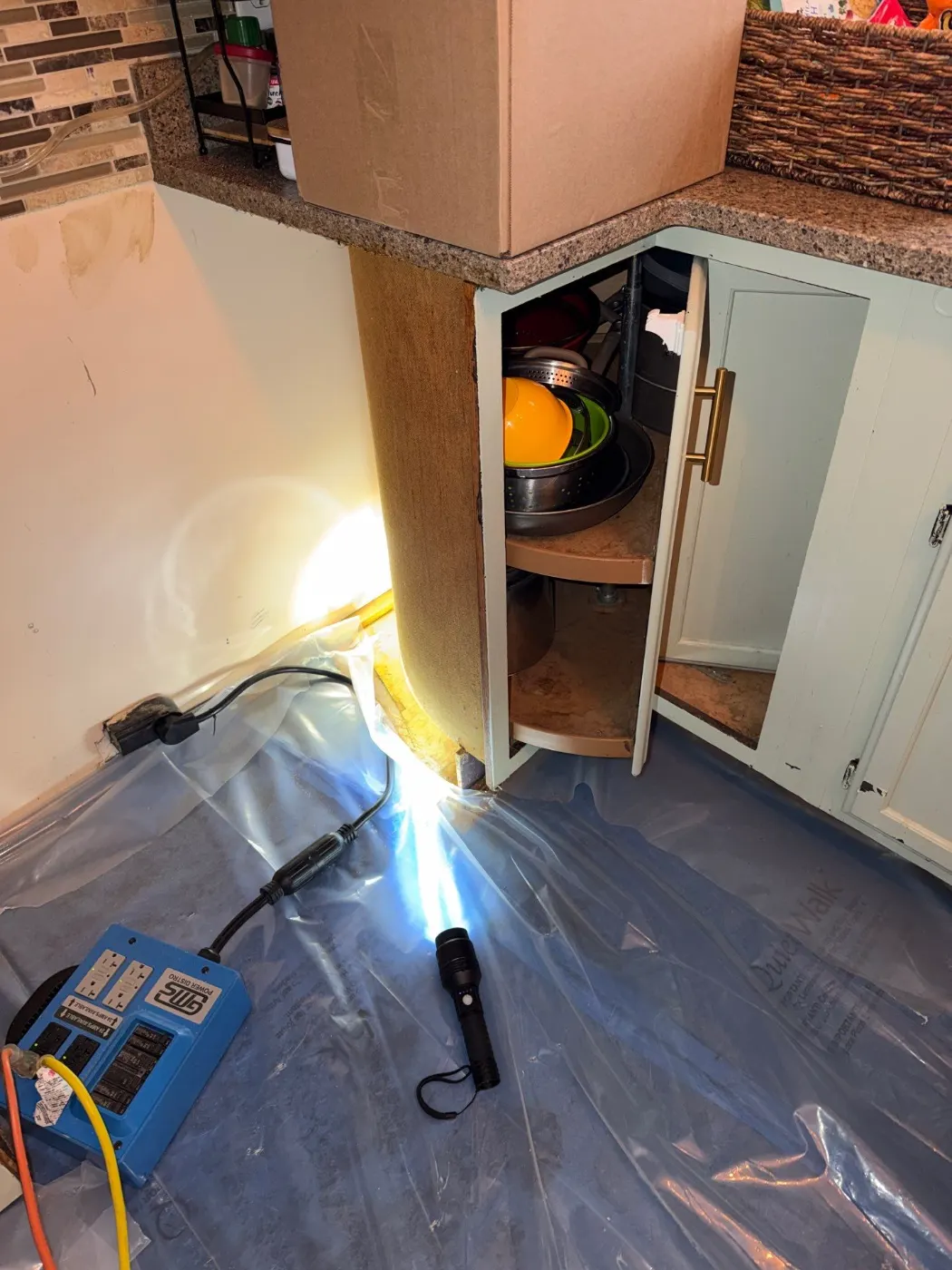
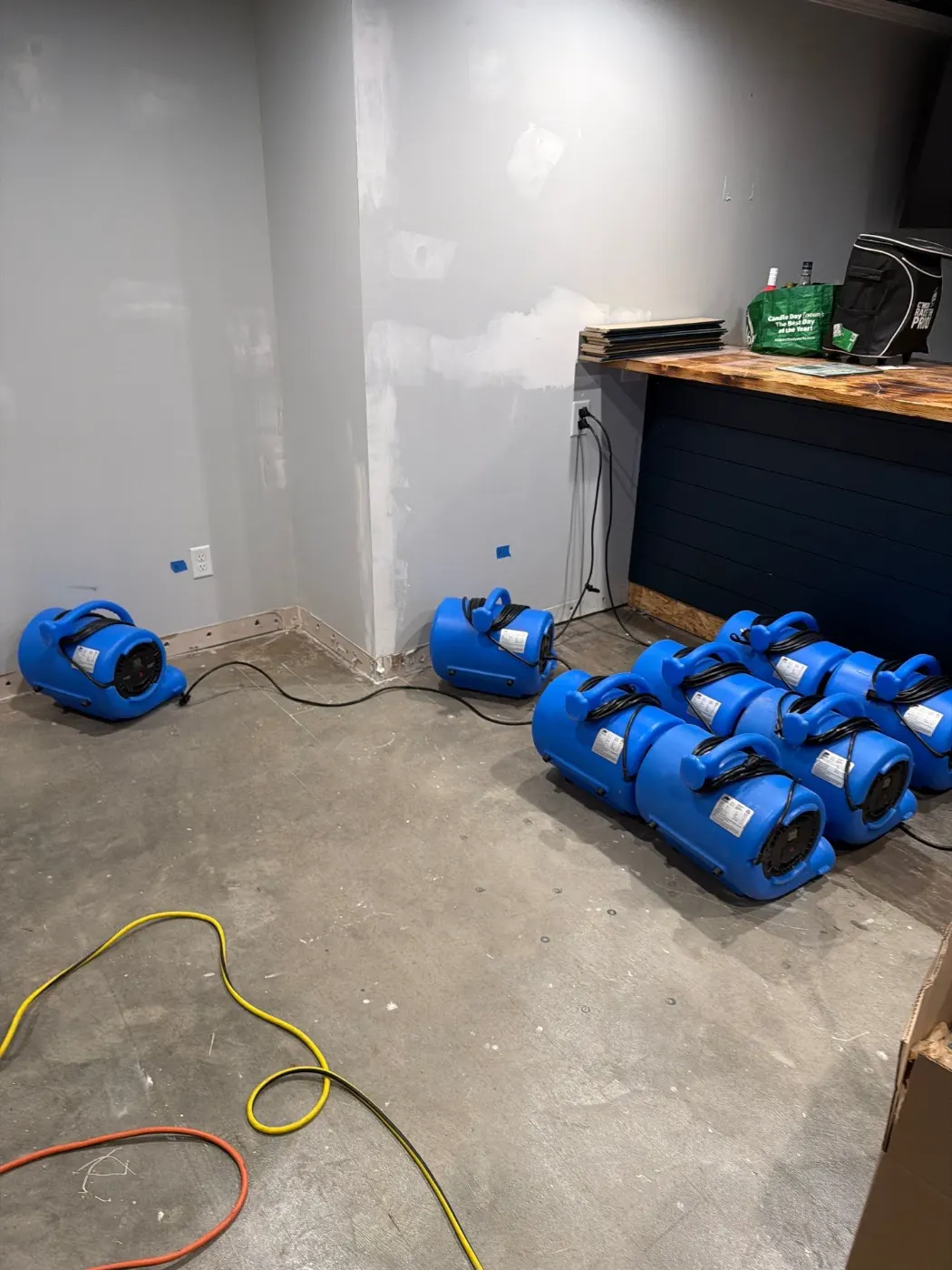
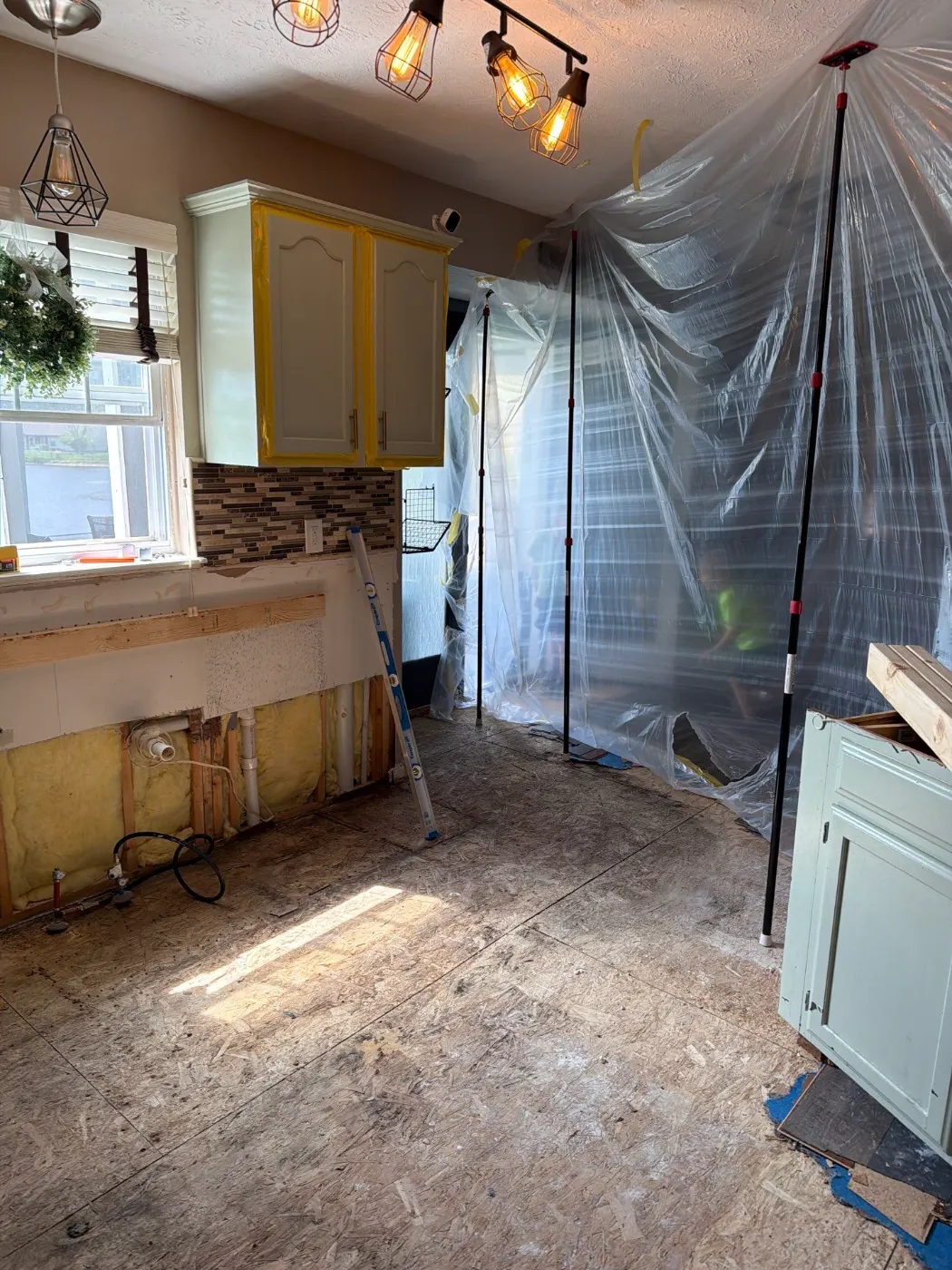
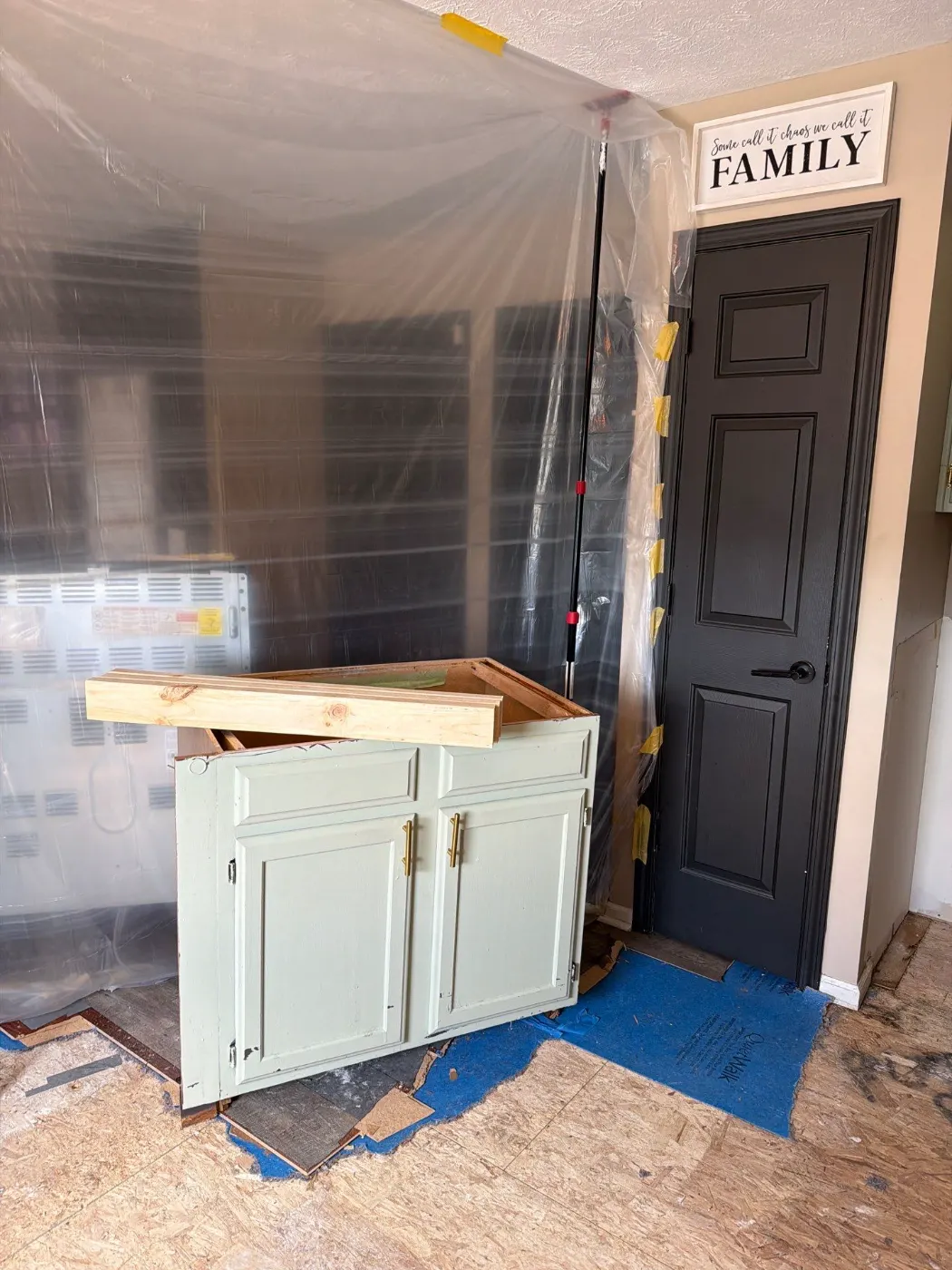
Photographs from real commercial storm damage jobs completed by our crew in Converse and surrounding areas.
Commercial Storm Damage FAQ
Questions Converse property managers ask us about commercial storm damage restoration.
Guidance and Standards for Commercial Storm Damage
- The National Weather Service office in Indianapolis posts summaries of recent central Indiana storm and flood events. NWS Indianapolis Event Summaries
- The ANSI/IICRC S500 is the published standard for professional water damage restoration. The current edition is the Fifth Edition, 2021. IICRC S500 Standard
Converse Neighborhoods We Serve
We take commercial storm damage calls in every part of Converse. Pick your neighborhood for local details.
Other Restoration Services in Converse
Converse Water Restoration handles the full scope of restoration work. Explore our other services below.
Water Damage Restoration in Converse
24/7 emergency response. IICRC certified water restoration from extraction to full dry out.
Learn more →Basement Flooding in Converse
Basement water emergencies handled fast. Extraction, drying, mold prevention.
Learn more →Sewage Cleanup in Converse
Category 3 biohazard cleanup. Full containment, decontamination, structural restoration.
Learn more →Request Commercial Storm Damage Restoration
Reach Us Directly
Our team is available 24/7 for emergencies and ready to schedule inspections during business hours.
Need Immediate Help?
For active water or mold emergencies, call us directly. We are available 24/7.