
Commercial Sewage Cleanup in Converse, IN
Porous materials soaked with sewage come out of Converse buildings, and hard surfaces get cleaned and treated in place.
Commercial Sewage Cleanup in Converse, IN starts with one call to Converse Water Restoration: live 24/7 dispatch, IICRC certified response, and honest written scopes before work begins. Call (812) 515-1567.
- Service: Commercial Sewage Cleanup for Converse homeowners
- Service area: Converse, IN and surrounding areas
- Response time: Fast local response for Converse; live dispatch every hour of the year
- Licensed and insured (License #RC21100059)
- Serving Converse, IN since 2018
Commercial Sewage Backup Cleanup in Converse
We clean up sewage backups in commercial buildings across Converse, and we'll keep the affected area sealed off from the rest of the building.
Sewer System Notes
Heavy rain can overload the sewer lines serving Converse and push sewage into lower levels. On the first walkthrough, we'll check where your building ties into the public sewer and whether it has a backflow valve.
We handle commercial sewage jobs anywhere in Converse, including the area near Oak Hill High School and Converse-Jackson Township Public Library. We also handle commercial sewage backups in Peru, Swayzee, Somerset and Amboy.
Commercial Sewage Cleanup for Converse Businesses
A lift station alarm that nobody answered overnight turns into a morning where part of your property is unusable. Converse Water Restoration dispatches to commercial sewage emergencies in Converse within 2 hours, and the crew works in full protective gear from the first minute. Crews extract, remove the porous materials that can't be cleaned to standard, treat the structure with an EPA registered antimicrobial, and document every step for the carrier and the building owner.
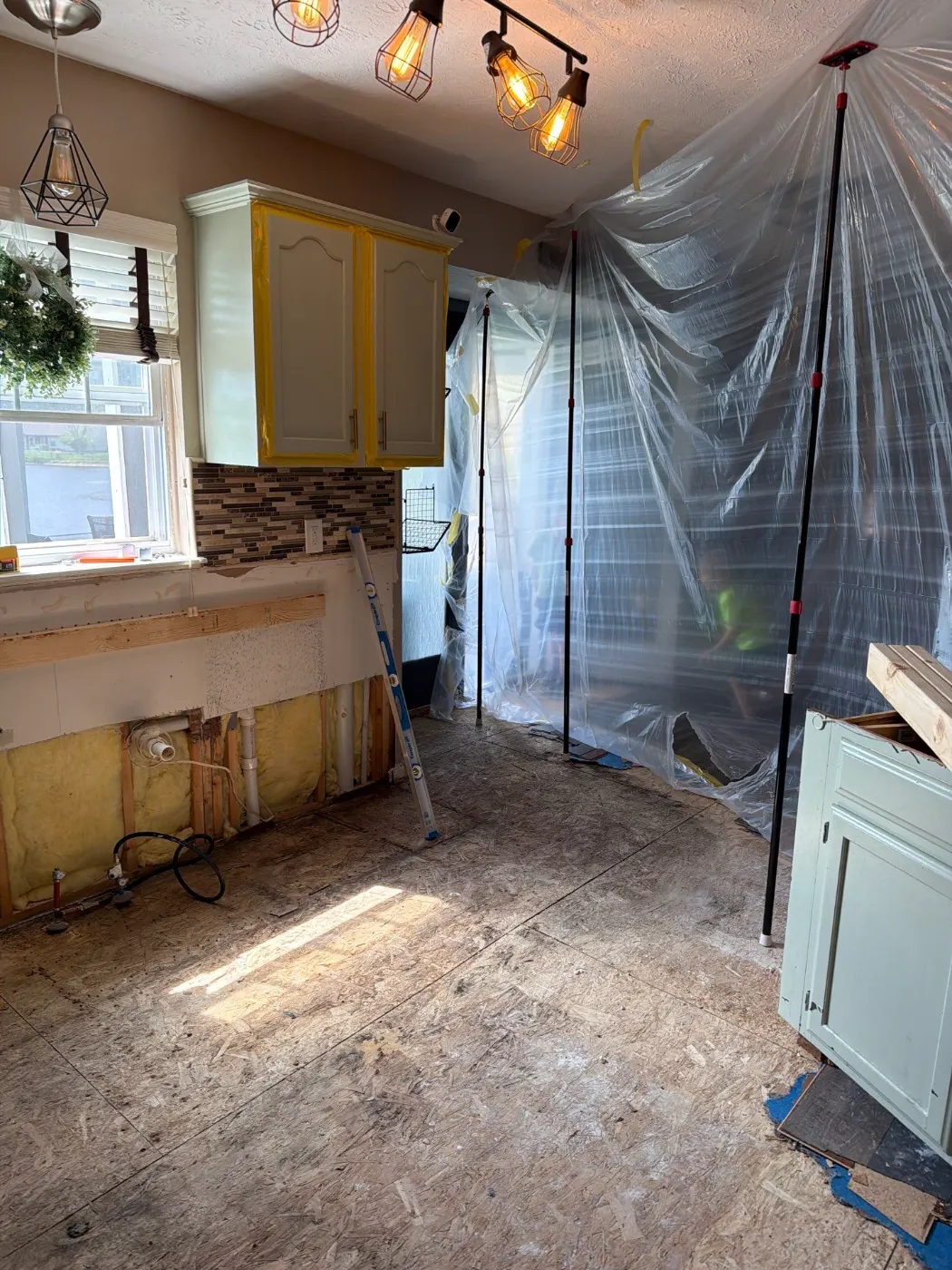
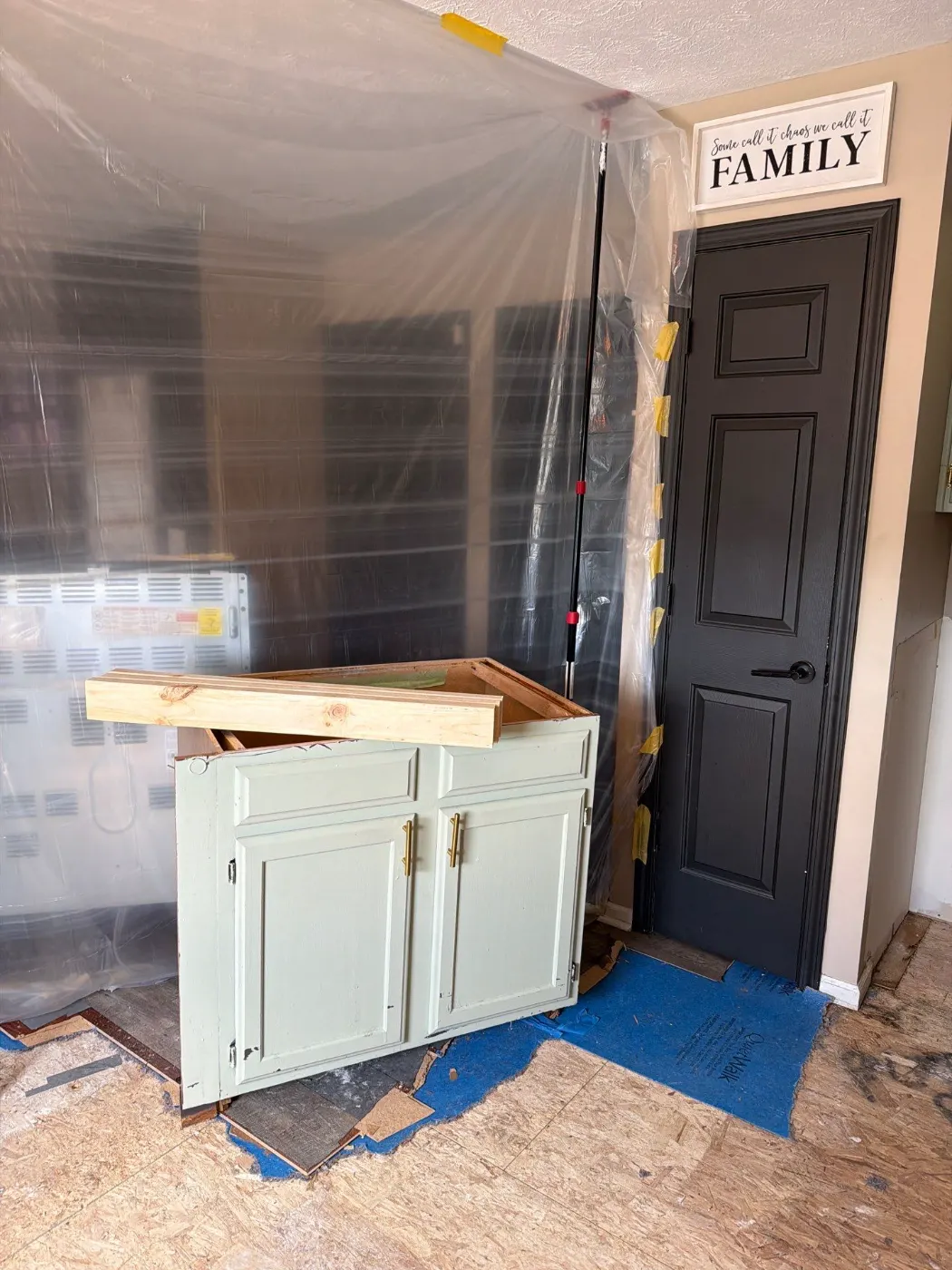
The rest of your Converse building keeps running while Converse Water Restoration works the contaminated area. The crew builds containment with zipper entries, holds the zone under negative pressure with HEPA scrubbers and seals the supply and return openings inside it. Staff and tenants walk past the barrier, and the contaminated air stays behind it until the work is done.
Every Converse Water Restoration job ends with clearance verification, which is a written record. Crews take final moisture readings on every previously wet material, compare them against unaffected reference readings in the same structure, inspect the cleaned surfaces, and photograph the condition the space is being handed back in. Equipment comes out after the verification is recorded, and your inspector reviews it from there.
Sewage losses draw more adjuster attention than clean water losses, mostly because the removal scope is larger. Converse Water Restoration expects the questions and documents the answers before they get asked: why the material was unsalvageable, what the moisture readings showed, which antimicrobial was applied at what dilution, and how long the dwell time ran. That record answers the obvious questions before anyone has to ask them.
One call to Converse Water Restoration starts the sequence for your Converse property: containment goes up and a documented file opens for the owner and the carrier. You'll get an update each day on what the crew did and what's left. Call when you want the contaminated area in the hands of a crew that works Category 3 losses.
Signs You Need Commercial Sewage Cleanup
If you notice any of these in your Converse building, schedule a free inspection before the issue worsens.
Tenants on more than one floor reporting the same odor within a day of each other
Exterior cleanout flooded or overflowing in a parking lot or alley
Neighboring buildings or the city reporting sewer backups along the same street
Toilets in more than one restroom overflowing at the same time
Water flowing from under a janitorial closet door into the corridor overnight
Paint blistering at the base of a wall beside a restroom, along with odor
Several fixtures in the same restroom block draining slowly at the same time of day
Visible tide line on the lower few inches of drywall beside a restroom
A lift station alarm that logged overnight with nobody on site to answer it
Sewage odor rising from a floor drain that was dry and odorless the week before
How Converse Water Restoration Handles Commercial Sewage Cleanup
We follow these steps in order on every Converse job.
Containment and Access Control
Crews build 6 mil poly barriers with zipper entries around the affected area, seal the HVAC openings serving it, and put the zone under negative pressure with HEPA air scrubbers. Entry is limited to crew in PPE for the rest of the job.
Antimicrobial Treatment
An EPA registered antimicrobial goes on at label dilution across the cleaned surfaces and the exposed structure, held wet for the contact time the label specifies. The product, the dilution, and the dwell time get written into the job file.
Air Cleaning and Odor Check
HEPA air scrubbers run until the last surface is cleaned, then get switched off for an odor walkthrough of the closed space. Lingering odor sends the crew back to the material still holding it.
Independent Testing Coordination
When your carrier or health authority asks for third party testing, the office team schedules an independent hygienist and shares the crew's readings and photographs. The hygienist's report goes to the people who requested it.
Reconstruction Scoping
Once the space is dry and verified, the rebuild gets scoped on its own: drywall, insulation, flooring, base, paint, and casework priced against what came out. Converse Water Restoration handles the rebuild, and you approve that scope separately.
Commercial Sewage Cleanup in Converse
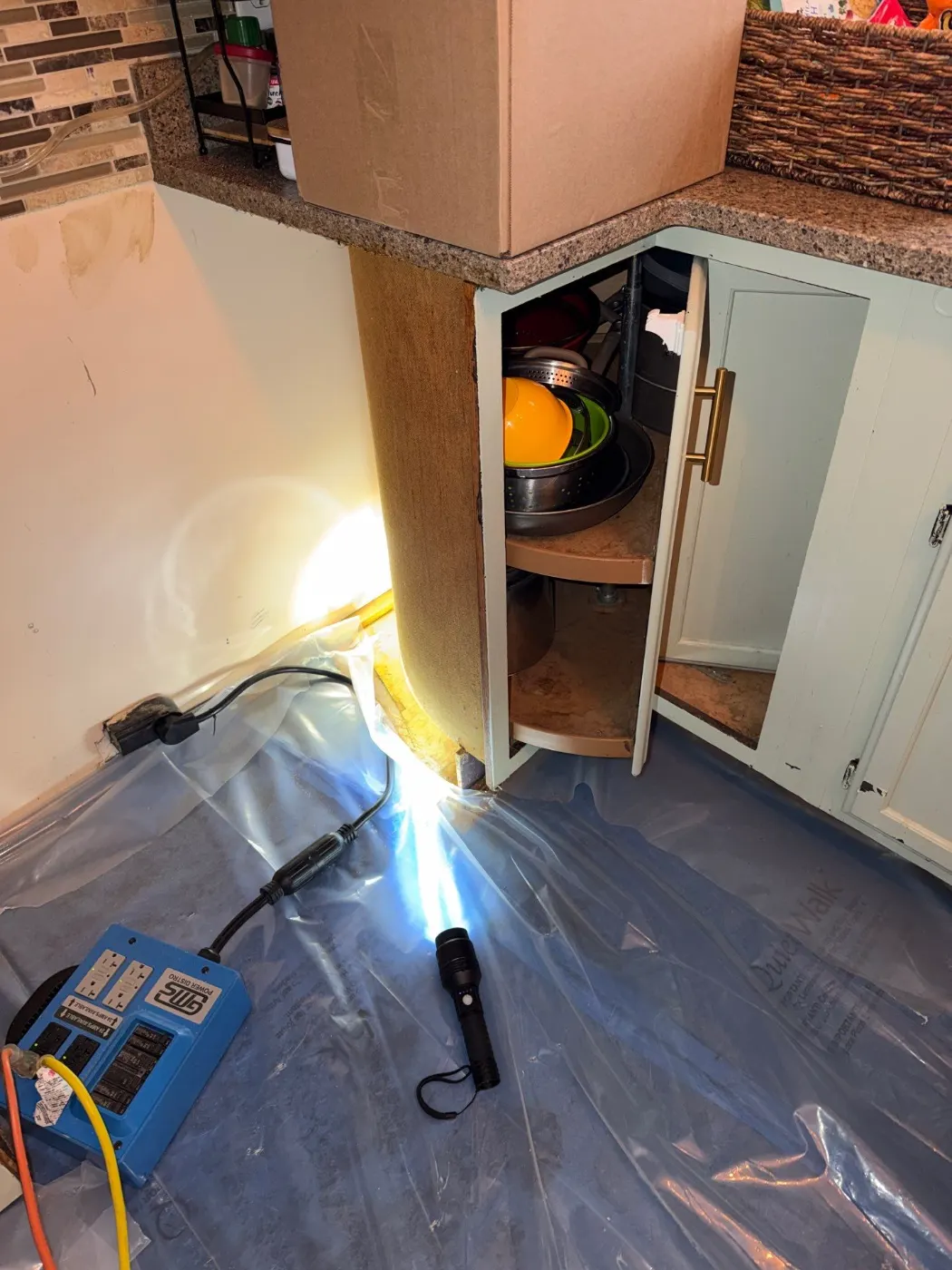
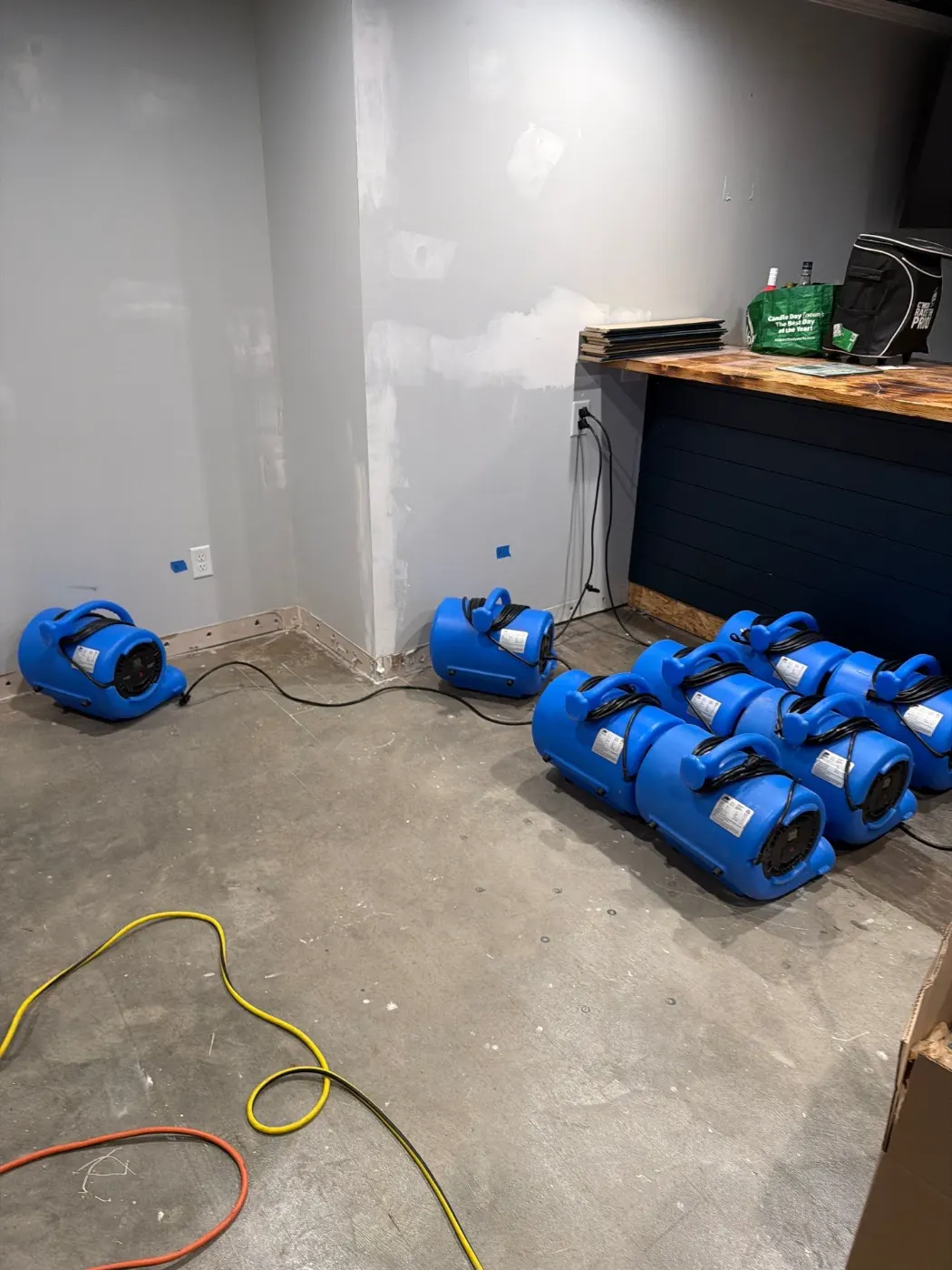
Photographs from real commercial sewage cleanup jobs completed by our crew in Converse and surrounding areas.
Commercial Sewage Cleanup FAQ
Questions Converse property managers ask us about commercial sewage cleanup.
Guidance and Standards for Commercial Sewage Cleanup
- The ANSI/IICRC S500 is the published standard for professional water damage restoration. The current edition is the Fifth Edition, 2021. IICRC S500 Standard
Converse Neighborhoods We Serve
We take commercial sewage cleanup calls in every part of Converse. Pick your neighborhood for local details.
Other Restoration Services in Converse
Converse Water Restoration handles the full scope of restoration work. Explore our other services below.
Water Damage Restoration in Converse
24/7 emergency response. IICRC certified water restoration from extraction to full dry out.
Learn more →Basement Flooding in Converse
Basement water emergencies handled fast. Extraction, drying, mold prevention.
Learn more →Sewage Cleanup in Converse
Category 3 biohazard cleanup. Full containment, decontamination, structural restoration.
Learn more →Request Commercial Sewage Cleanup
Reach Us Directly
Our team is available 24/7 for emergencies and ready to schedule inspections during business hours.
Need Immediate Help?
For active water or mold emergencies, call us directly. We are available 24/7.