
Commercial Flood Damage Cleanup in Converse, IN
Rising floodwater and surface runoff cleaned out of Converse commercial buildings, with records ready for your flood policy.
Converse Water Restoration is the Converse call for Commercial Flood Damage Cleanup: emergency crews around the clock, moisture readings instead of guesswork, and insurance files built properly. Call (812) 515-1567.
- Service: Commercial Flood Damage Cleanup for Converse homeowners
- Service area: Converse, IN and surrounding areas
- Response time: Around the clock dispatch; Converse emergencies move to the front of the line
- Licensed and insured (License #RC21100059)
- Serving Converse, IN since 2018
Commercial Flood Cleanup in Converse
We'll pump out and dry commercial buildings in Converse after floodwater gets inside.
Flood Exposure Here
Flood risk here runs highest for sites close to Little Pipe Creek and Pipe Creek. Your building's own flood exposure gets mapped when we walk the site with your facilities contact.
Our flood crews work commercial sites throughout Converse, including the blocks around Converse Elementary School and Oak Hill High School. We also handle commercial flood cleanup in Marion, Peru, Swayzee and Somerset.
Commercial Flood Damage Cleanup for Converse Businesses
Water across a warehouse floor plate keeps moving until something stops it. It runs the slab, finds the low corner, soaks pallet bottoms from underneath, and wicks up drywall before anyone locates the valve. Converse Water Restoration brings high volume pumps and truck mounted extraction to commercial flood losses in Converse, IN, with a crew sized to the square footage that's wet. Dispatch runs within two hours of your call, day or night, with pump capacity matched to the standing water in the building.
Commercial flood losses need capacity on the first truck. Converse Water Restoration stages submersible and trash pumps for standing water, truck mounted extraction for the floor area, and air movers and dehumidifiers sized to the space, including desiccant units for concrete. The first crew in Converse measures the wet area and calls in more equipment when the building needs it.
Sections get released as they reach dry standard. Each zone has its own readings, so an area that clears can go back into use while the crew keeps drying a below grade level or a slab that's still holding water. The release gets documented with the readings supporting it, and the crew lead walks the boundary with you so everyone knows where the active work area starts.
If an adjuster walks the building, you can have the crew there with the instruments and the log. Readings get taken at the same marked locations the daily log uses, and the floor plan with the wet boundary comes out. The facts are easy to show when the documentation was built as the work happened, and the decisions stay with you and your carrier.
Call Converse Water Restoration and tell the dispatcher where the water came from and how deep it stands. Add the wet square footage and whether a lower level took water, and the crew can plan the pump and extraction equipment for your Converse property before it leaves.
Signs You Need Commercial Flood Damage Cleanup
If you notice any of these in your Converse building, schedule a free inspection before the issue worsens.
A dark tide line on drywall or wall base running along a corridor at a consistent height
Water sitting in the loading dock well because the dock drain can't keep up
Buckled or crowned laminate and engineered flooring in a break room, lobby, or office suite
Pallet bottoms dark and soft, with cardboard cases on the lowest layer collapsing under weight
Water pooling against the outside of an exterior door after the storm drain overflowed
Part of the building without power after water reached the lower level
Dock seals and door thresholds showing silt or a waterline after a heavy rain
Rust forming at the base of steel shelving uprights or pallet racking where it meets the slab
Parking lot storm drains backing up and pushing water toward the entrances
Water tracking in from under a loading dock door, leaving a silt line across the slab
How Converse Water Restoration Handles Commercial Flood Damage Cleanup
We follow these steps in order on every Converse job.
Electrical Safety First
Nobody enters a flooded area until your electrician or the utility has confirmed the circuits there are shut off. Pumps and dehumidifiers then run from temporary power set up outside the wet zone, with cords kept off the floor.
Waterline and Condition Photos
Before anything moves, the crew photographs the building as the water left it. Waterline marks get measured at several points in each room, with depths and heights logged beside the photos.
Staged Water Drawdown
Below grade levels get pumped down in stages while the soil outside is still saturated. The crew pauses between passes to check walls and slab, and logs the water level each time.
Content Pack Out
Fixtures, records, equipment and stock come off the wet slab and get listed by item and condition. Anything needing controlled conditions goes to climate controlled storage under a numbered list, so what left the building is documented before it moves anywhere.
Removing Soaked Materials
Porous materials soaked by floodwater, such as carpet and drywall, come out to the height the readings call for and get bagged where they fall. Each area is photographed before and after, and quantities go in the log.
Commercial Flood Damage Cleanup in Converse
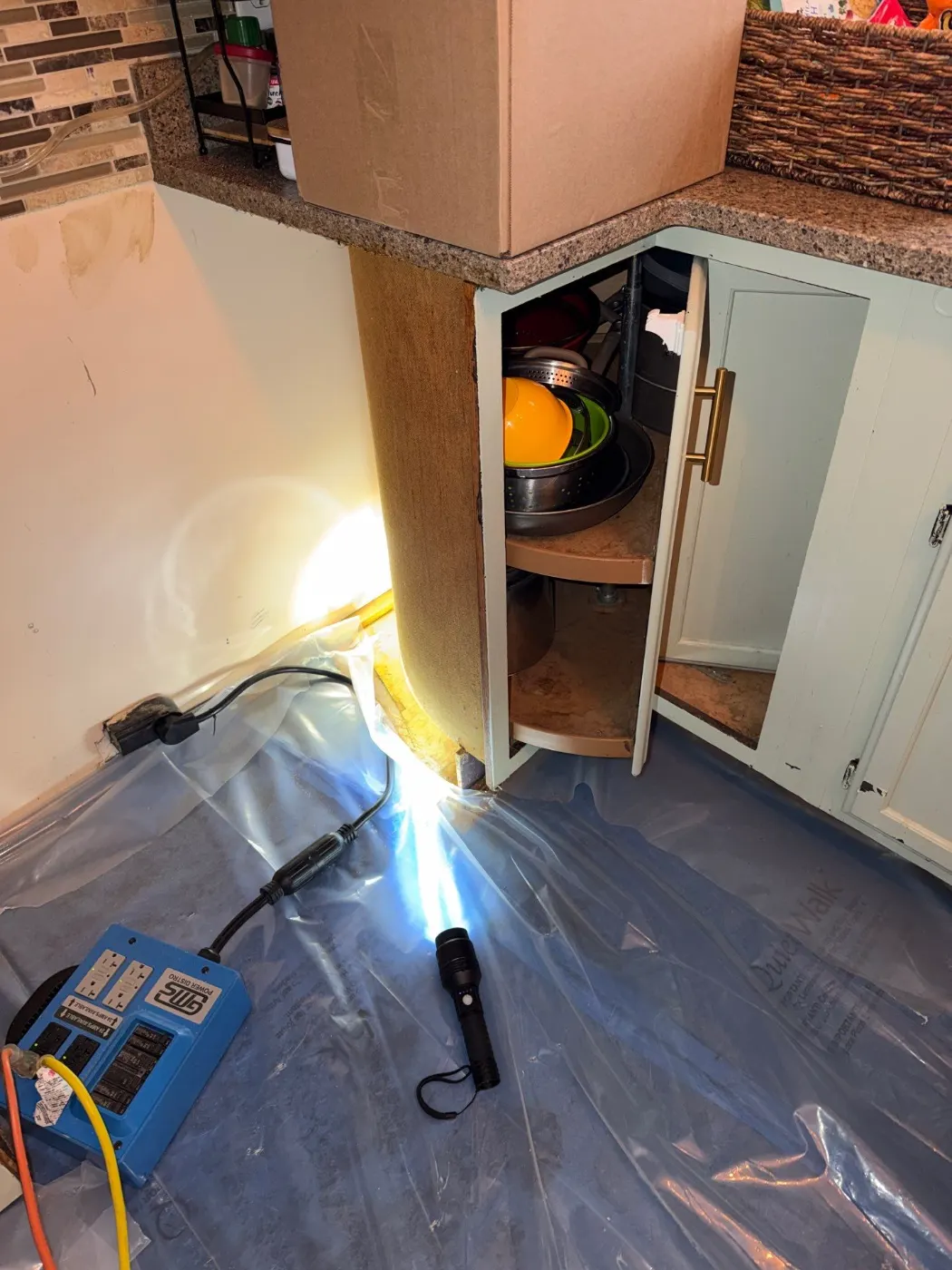
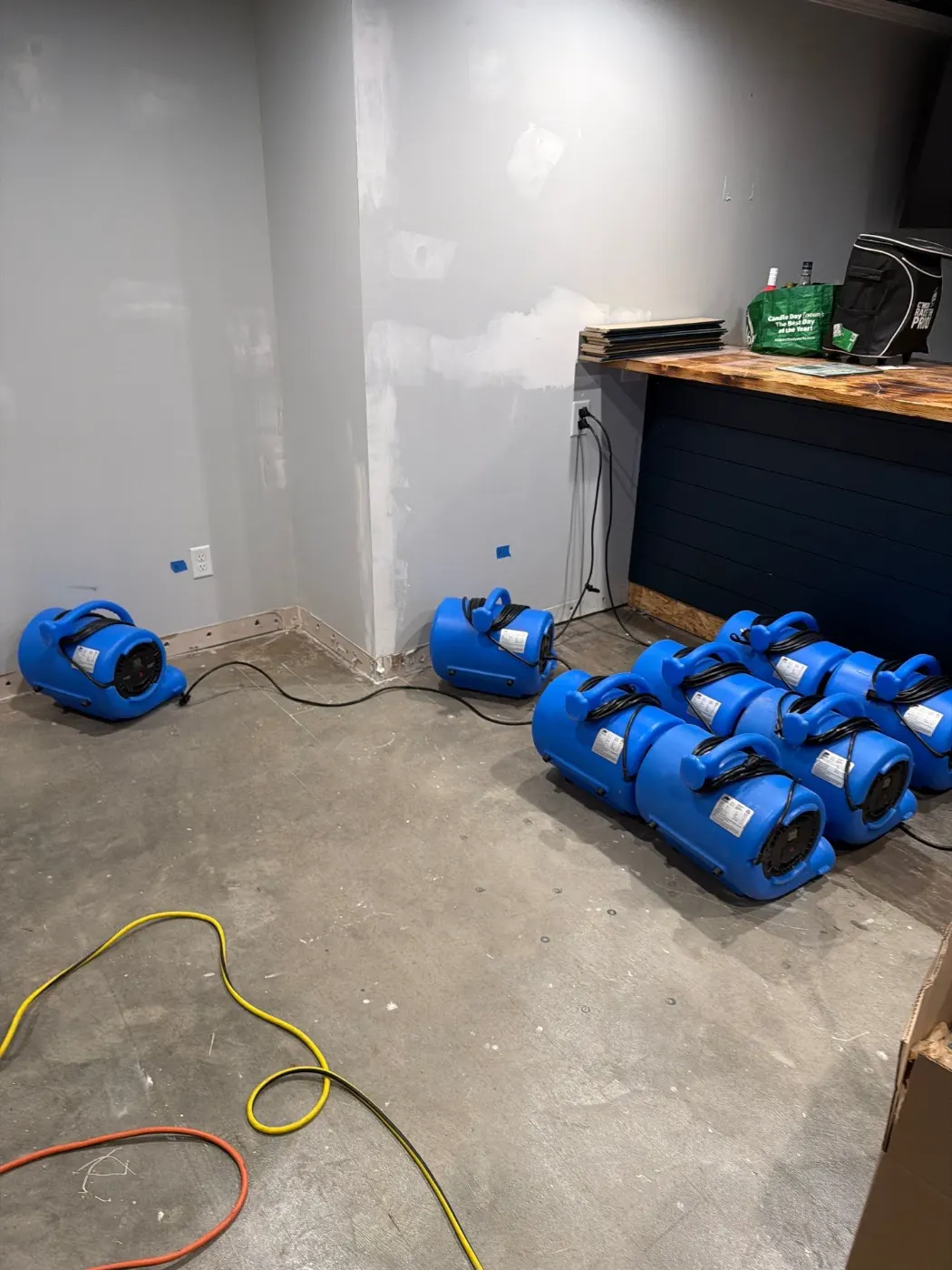
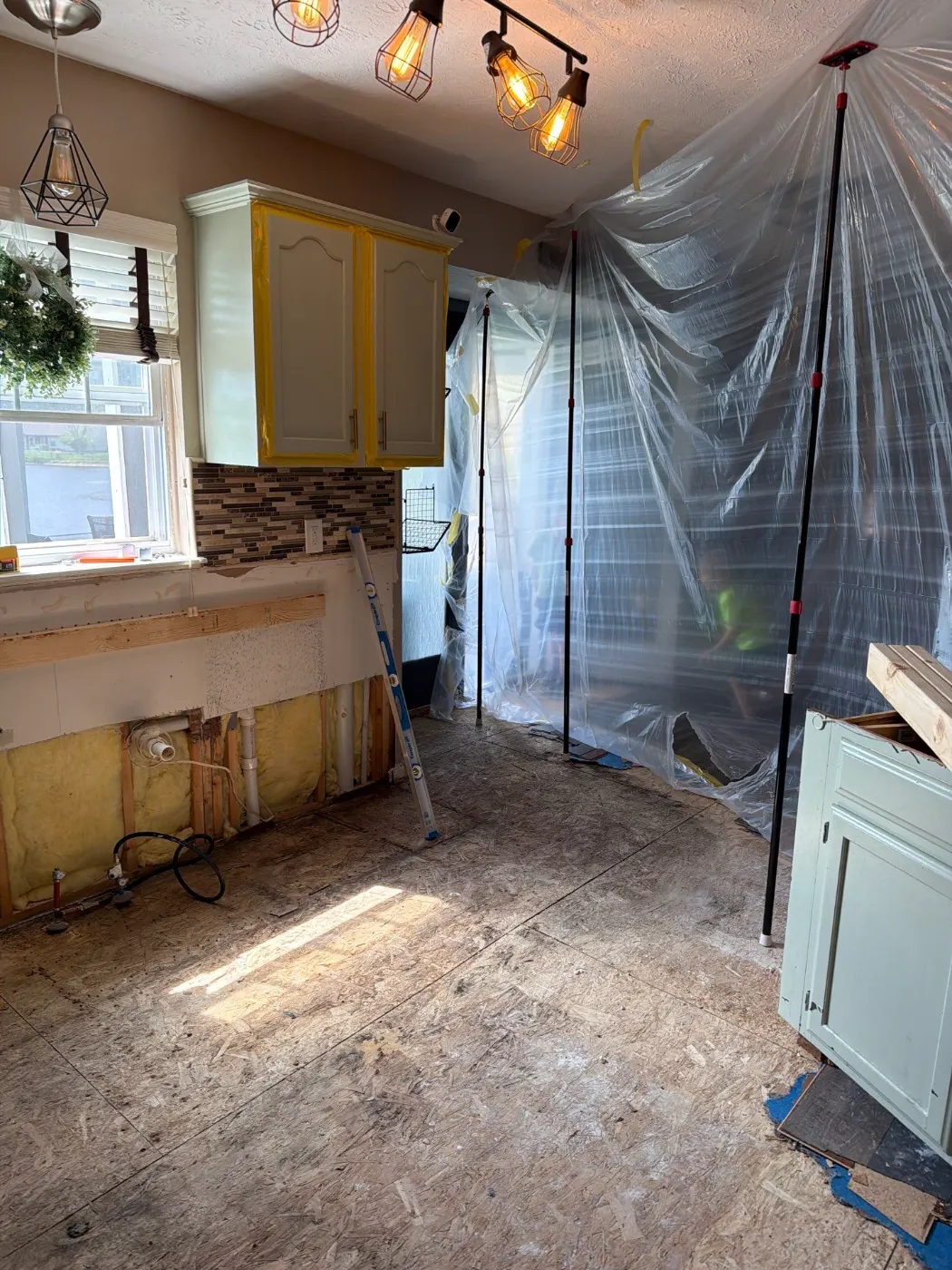
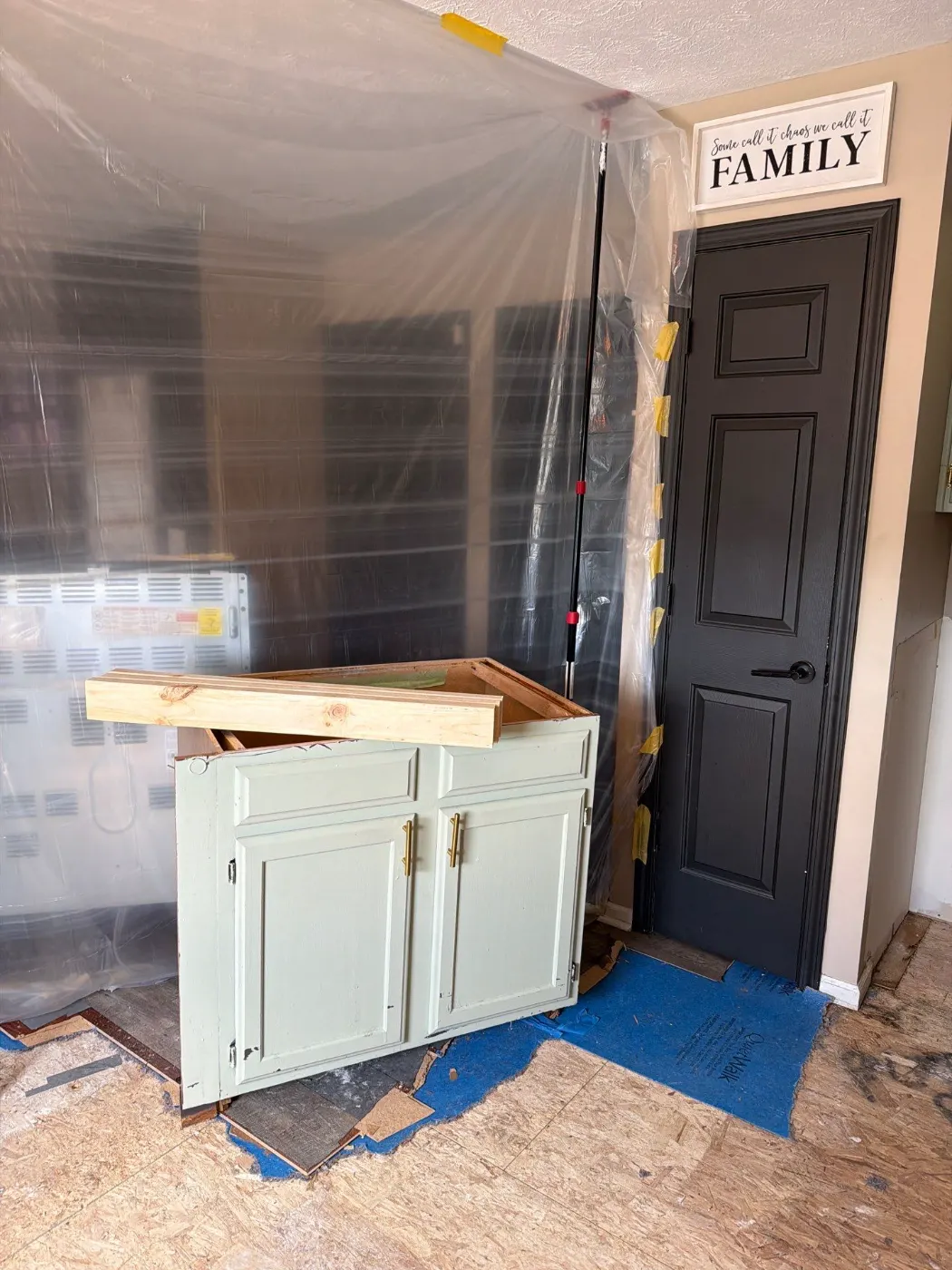
Photographs from real commercial flood damage cleanup jobs completed by our crew in Converse and surrounding areas.
Commercial Flood Damage Cleanup FAQ
Questions Converse property managers ask us about commercial flood damage cleanup.
Guidance and Standards for Commercial Flood Damage Cleanup
- The ANSI/IICRC S500 is the published standard for professional water damage restoration. The current edition is the Fifth Edition, 2021. IICRC S500 Standard
- EPA advises drying water damaged areas and items within 24 to 48 hours to prevent mold growth. EPA: A Brief Guide to Mold, Moisture and Your Home
Converse Neighborhoods We Serve
We take commercial flood damage cleanup calls in every part of Converse. Pick your neighborhood for local details.
Other Restoration Services in Converse
Converse Water Restoration handles the full scope of restoration work. Explore our other services below.
Water Damage Restoration in Converse
24/7 emergency response. IICRC certified water restoration from extraction to full dry out.
Learn more →Basement Flooding in Converse
Basement water emergencies handled fast. Extraction, drying, mold prevention.
Learn more →Sewage Cleanup in Converse
Category 3 biohazard cleanup. Full containment, decontamination, structural restoration.
Learn more →Request Commercial Flood Damage Cleanup
Reach Us Directly
Our team is available 24/7 for emergencies and ready to schedule inspections during business hours.
Need Immediate Help?
For active water or mold emergencies, call us directly. We are available 24/7.